Coverage
When an AI previsualization system rebuilds a real place from a handful of photographs, it has to invent everything the photographs missed. Coverage makes that invention visible, and asks who authors a place once a machine has filled it in.
The question
In film, coverage means the set of shots that lets an editor build a scene. In documentary, it means how much of reality the camera actually reached. Previs tools now blur the two. A director plans a shot inside a space that is part record and part guess, and the guess changes every time the camera moves past the edge of what was photographed.
How it works
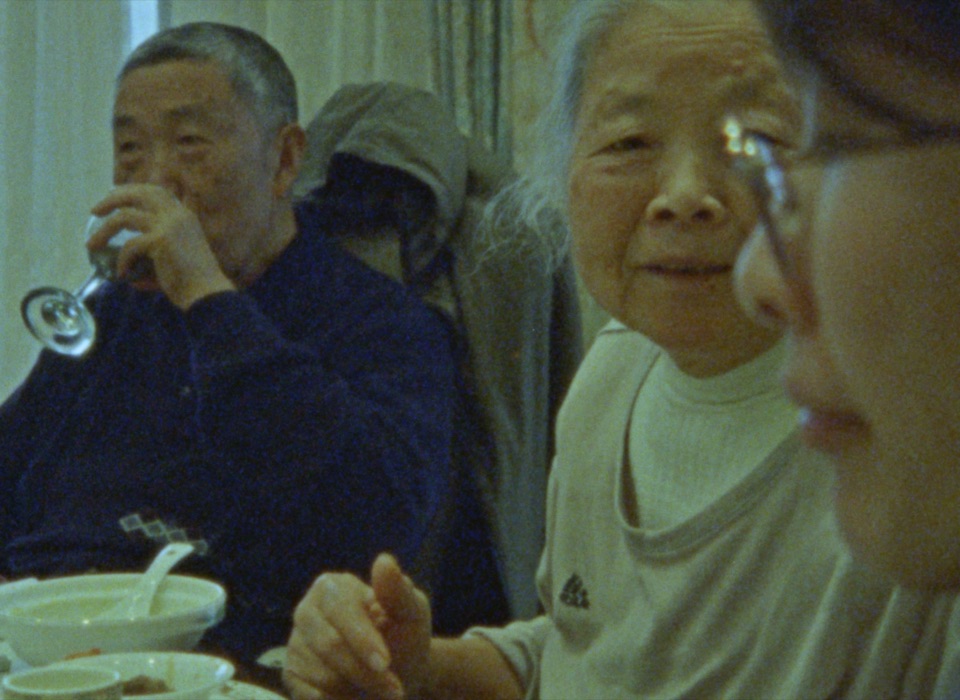
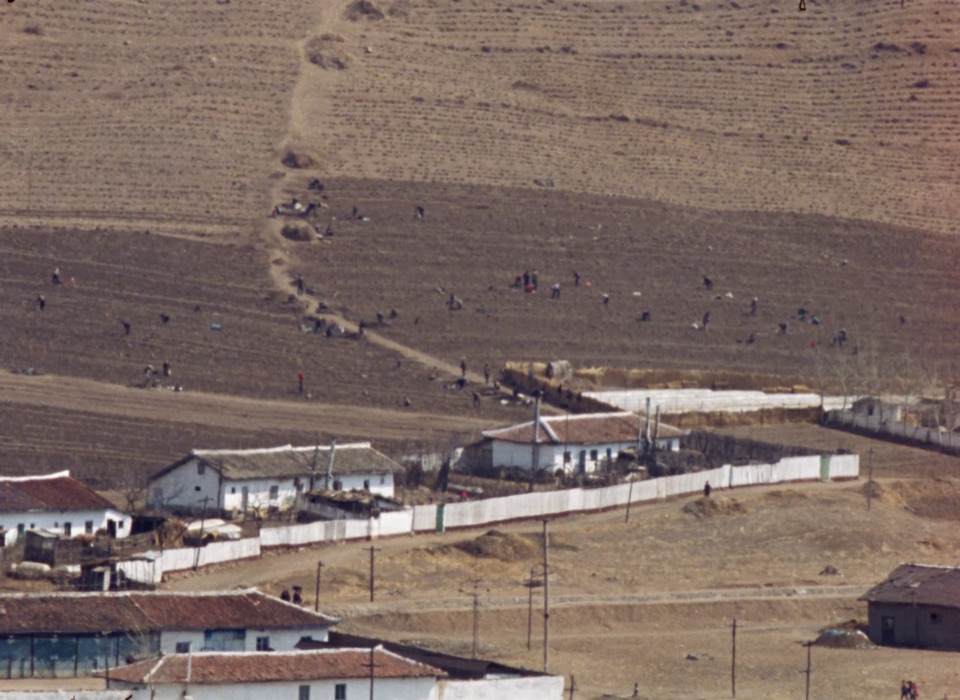
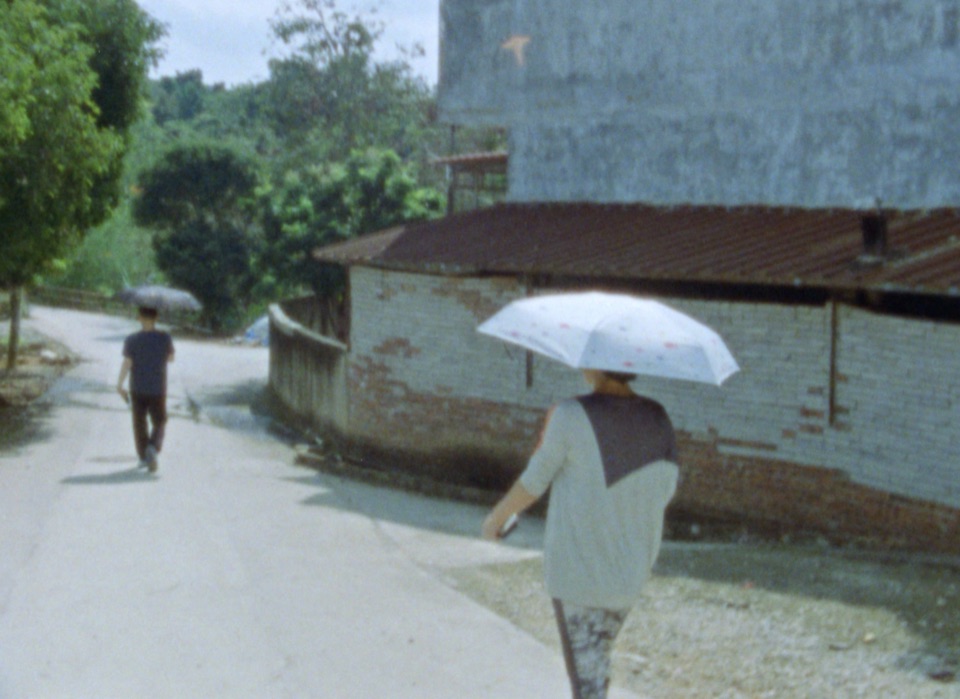
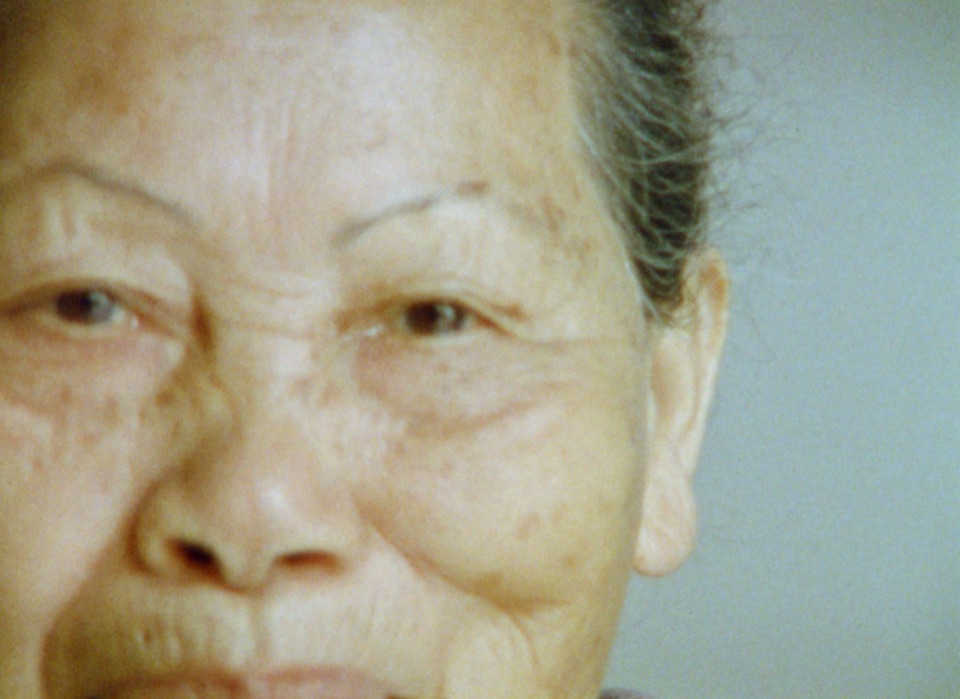
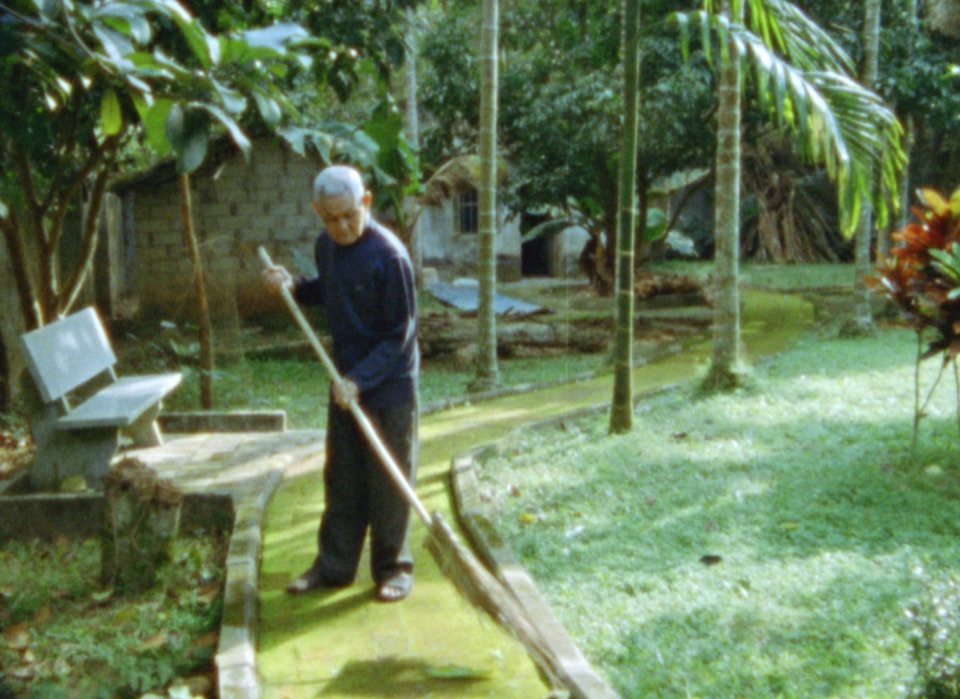
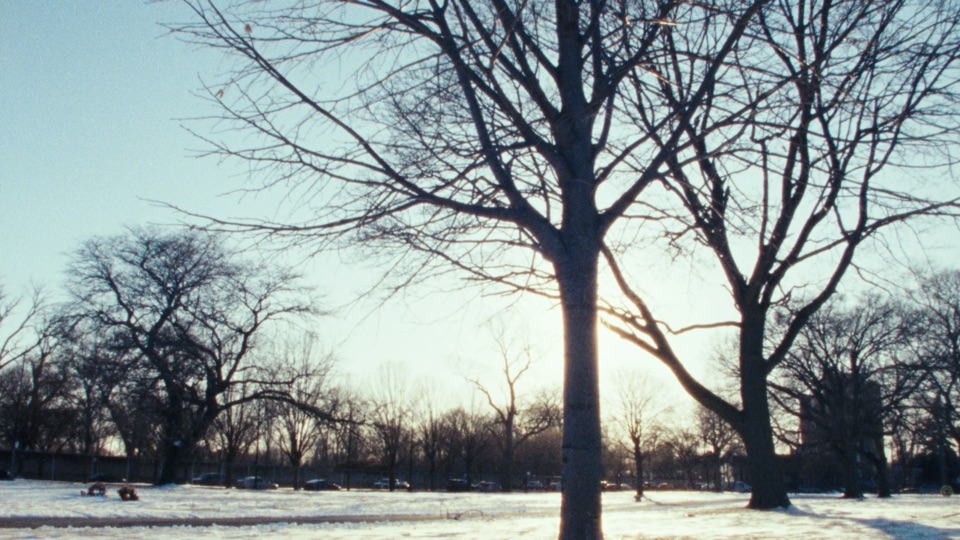
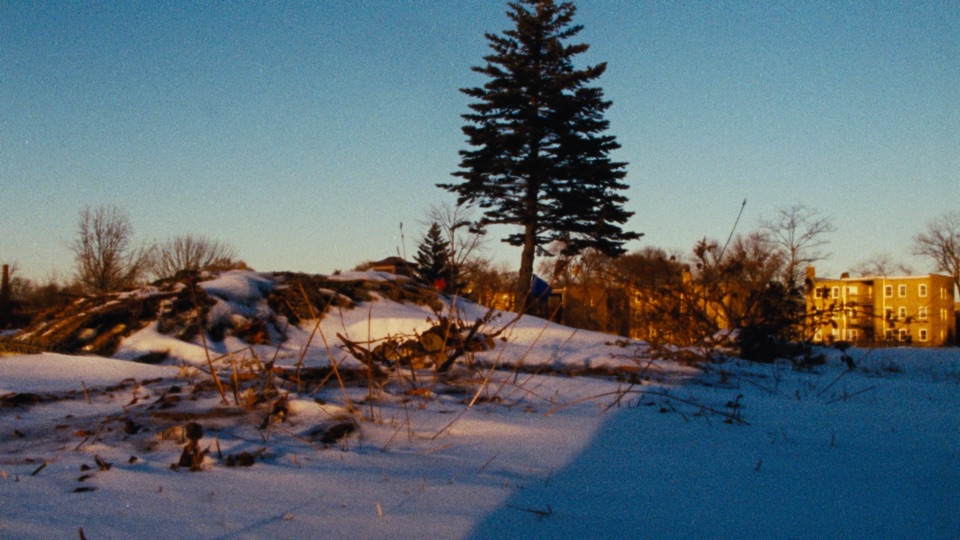
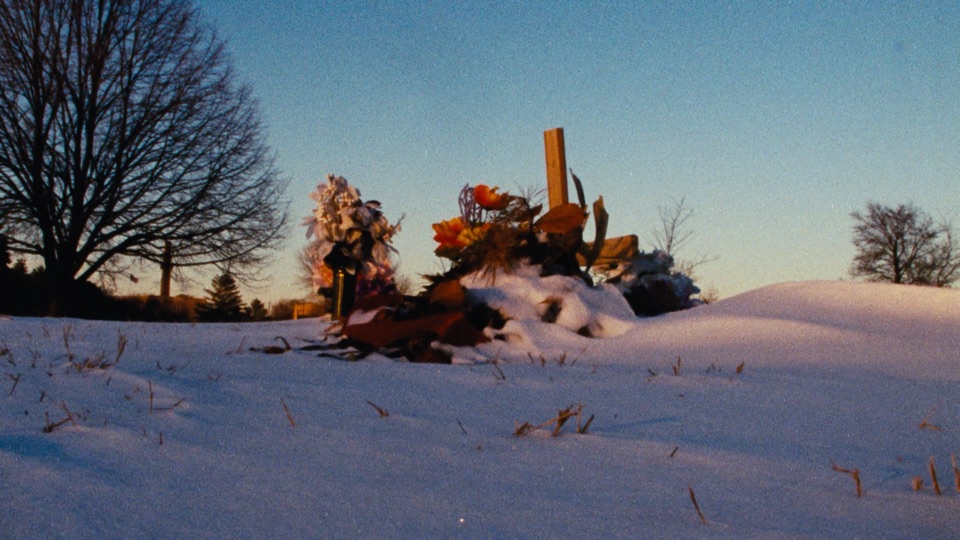
People who live in three to five places photograph them with their phones, eight to twelve pictures each. A system built on KinoFlow turns each set into a space a camera can move through. In a previs session, a director and the residents plan shots together. For every frame, the system records which pixels rest on a photograph and which were generated.
- Left: the residents’ photographs
- Centre: the planned camera path
- Right: plain where photographed, grain where the system invented it
What it would produce
- A three-channel installation for each place.
- A live previs performance with the residents.
- An open record of every session: camera paths and photographed versus generated areas.
- A written study of how directors and residents negotiate the invented parts.
Collaborators
Residents of each location, an engineer from the KinoFlow team, and a sound designer.
This page summarises the project proposal in my application. KinoFlow is the research instrument here, and the work is not made for commercial use.